Hurghada Reefs, Islands & Wrecks: A Guide to 29 Spots
Hurghada sits on one of the richest stretches of the Red Sea. Within an hour or two by boat there are protected islands, coral pinnacles, reef walls, dolphin lagoons and historic wrecks. This guide describes each spot our boats visit, in plain words, so you know what to expect before you choose a trip.
The exact stops of every boat trip depend on wind, currents and how busy a reef is that day. Captains decide on the morning itself for safety and to give you the best conditions — so treat this as a guide to what is possible, not a fixed promise.
Giftun Kebir (Big Giftun Island)
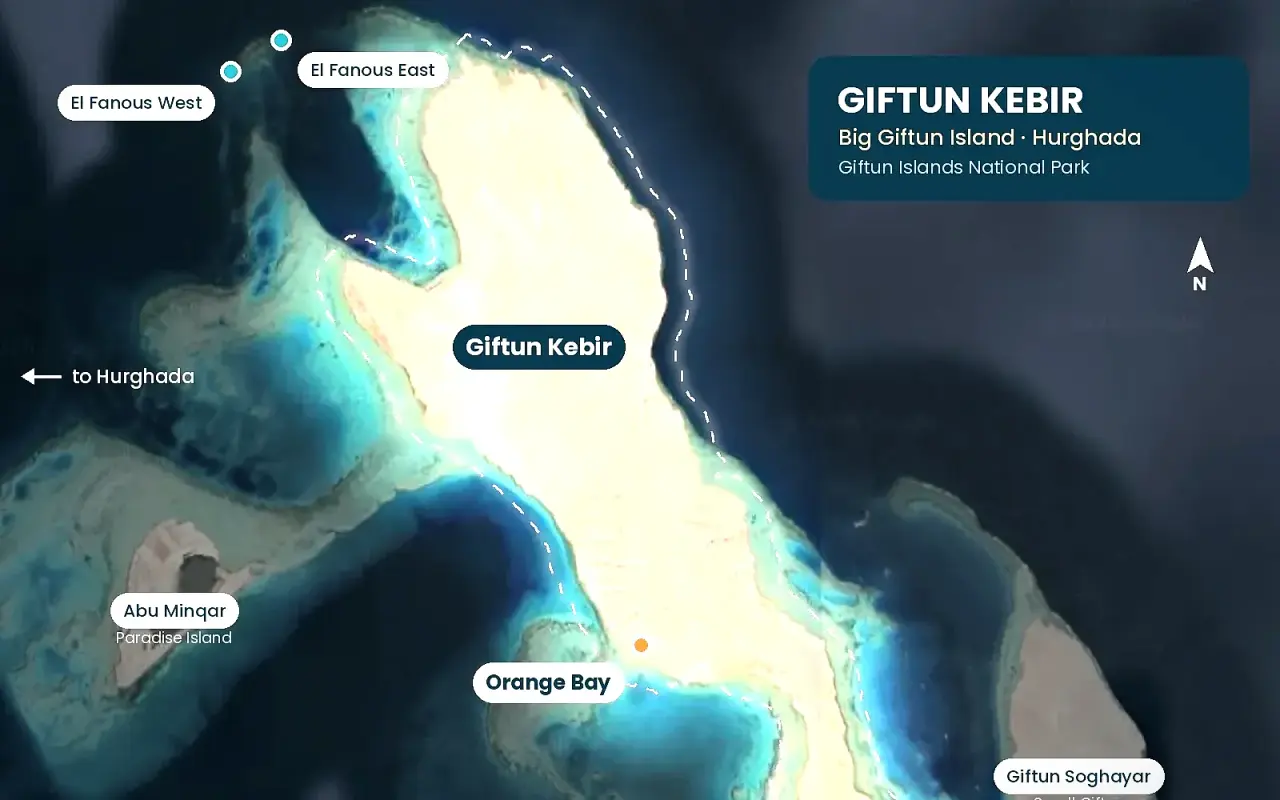
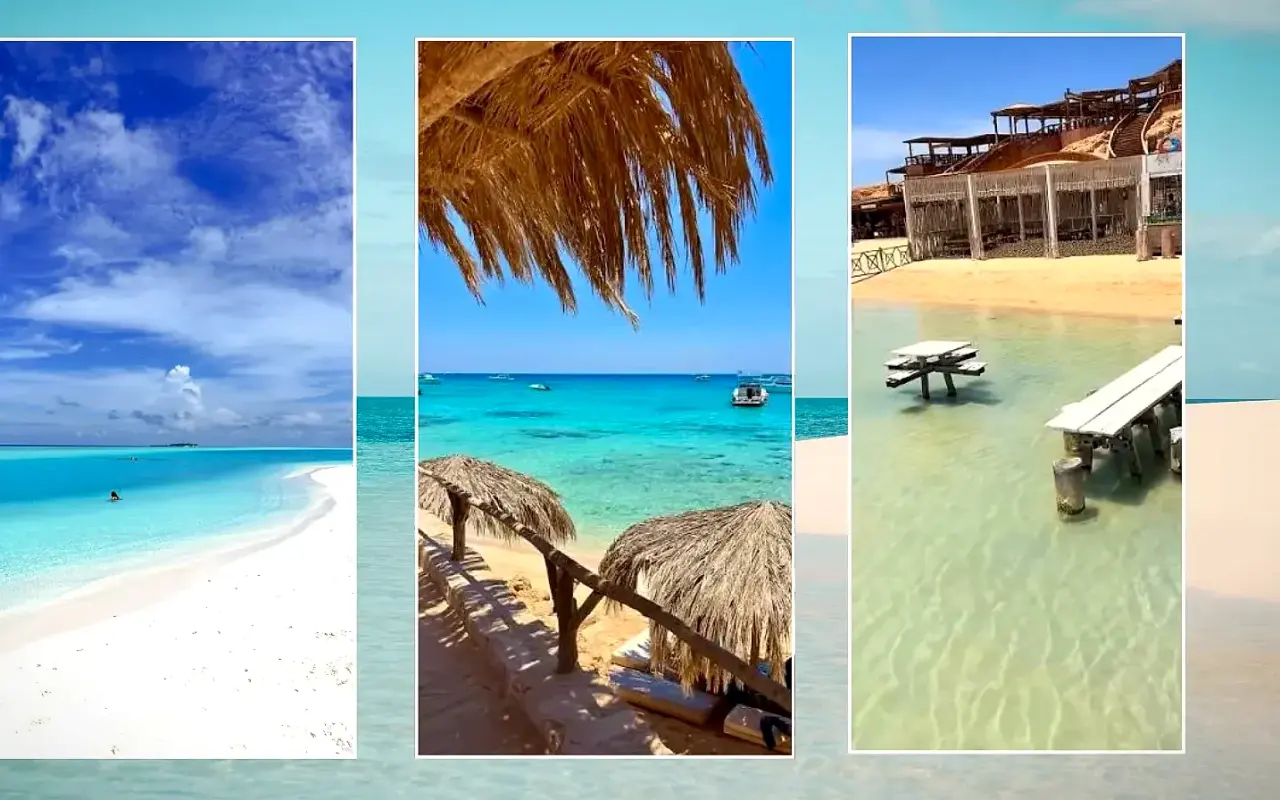
Giftun Kebir is the larger of the two Giftun Islands, part of a protected national park about 40–50 minutes by boat from Hurghada. Its sheltered bays have white sand and shallow turquoise water, and its fringing reefs are home to corals, reef fish and sometimes turtles. Orange Bay and the Mahmya beach area are both on this island. A park fee applies, and no one is allowed to stay overnight.
Read more: our full Giftun Kebir (Big Giftun Island) guide.
Orange Bay
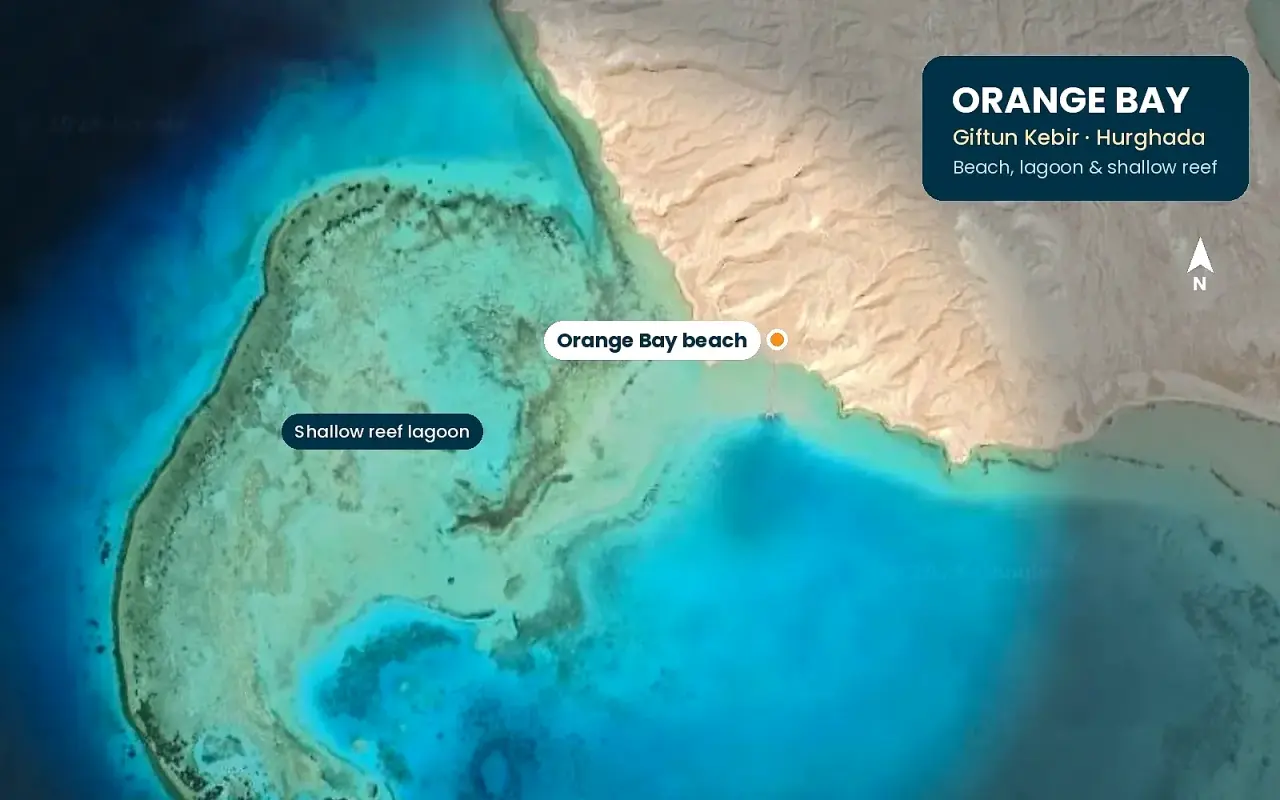
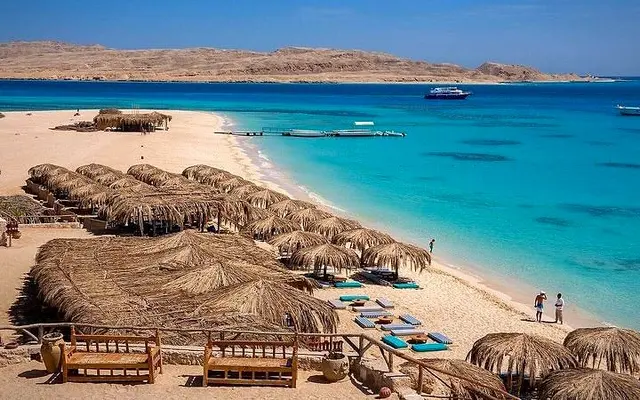
Orange Bay is a beach on the south-west side of Giftun Kebir, known for its pale sand and a wide, shallow reef lagoon so clear it looks like a swimming pool. The lagoon is easy for beginners and children. Boats anchor offshore and guests reach the beach by small boat or by swimming. It has sunbeds and simple facilities, and an entrance fee is charged on top of the boat trip on many offers. We say clearly whether it is included. Arrive early in the day for the best light and the fewest people.
Read more: our full Orange Bay guide.
Mahmya
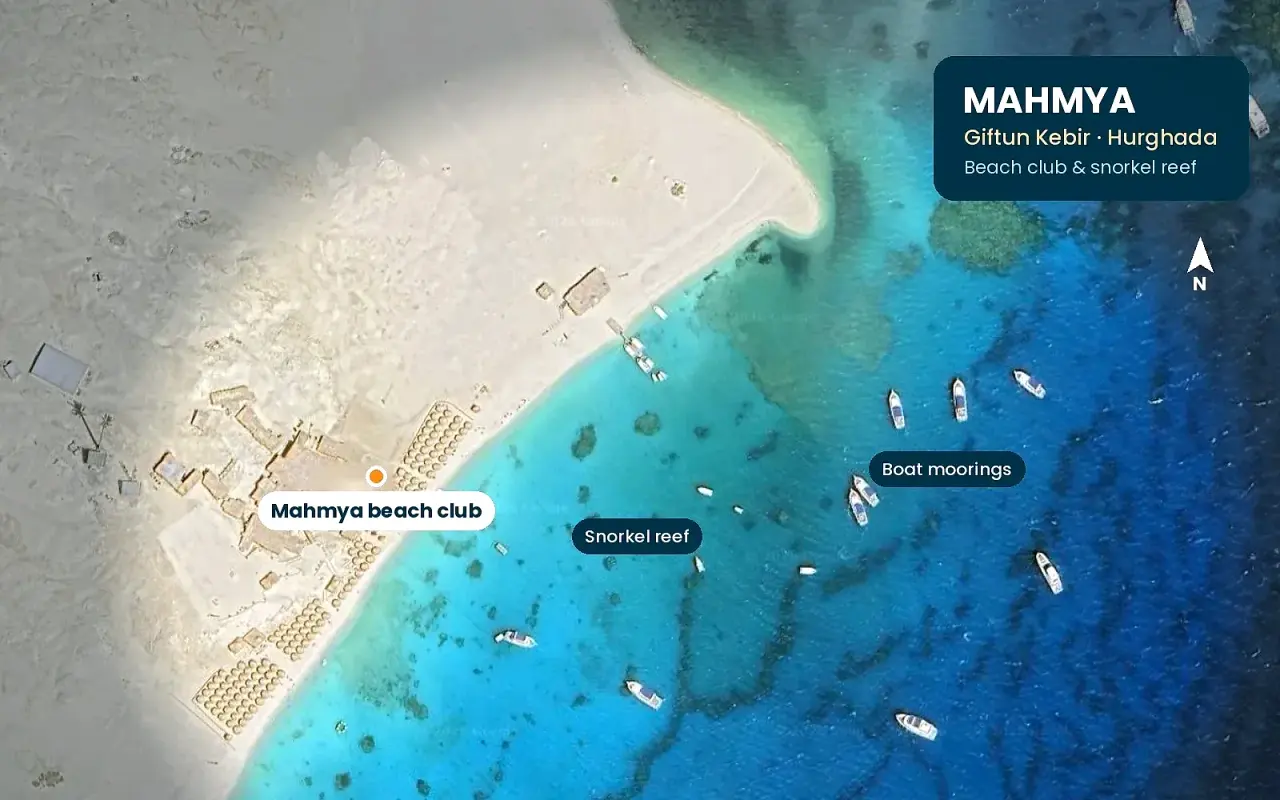
Mahmya is a nature-focused beach club on Giftun Kebir with shaded sunbeds, a restaurant and a strict environmental concept: no plastic, limited guest numbers and no construction on the reef. Boats moor just off the beach, and coral patches start only a few metres from the shore, so even beginners and children reach the reef easily. Because places are limited, it should be booked ahead in high season.
Read more: our full Mahmya guide.
Small Giftun (Giftun Soghayar)
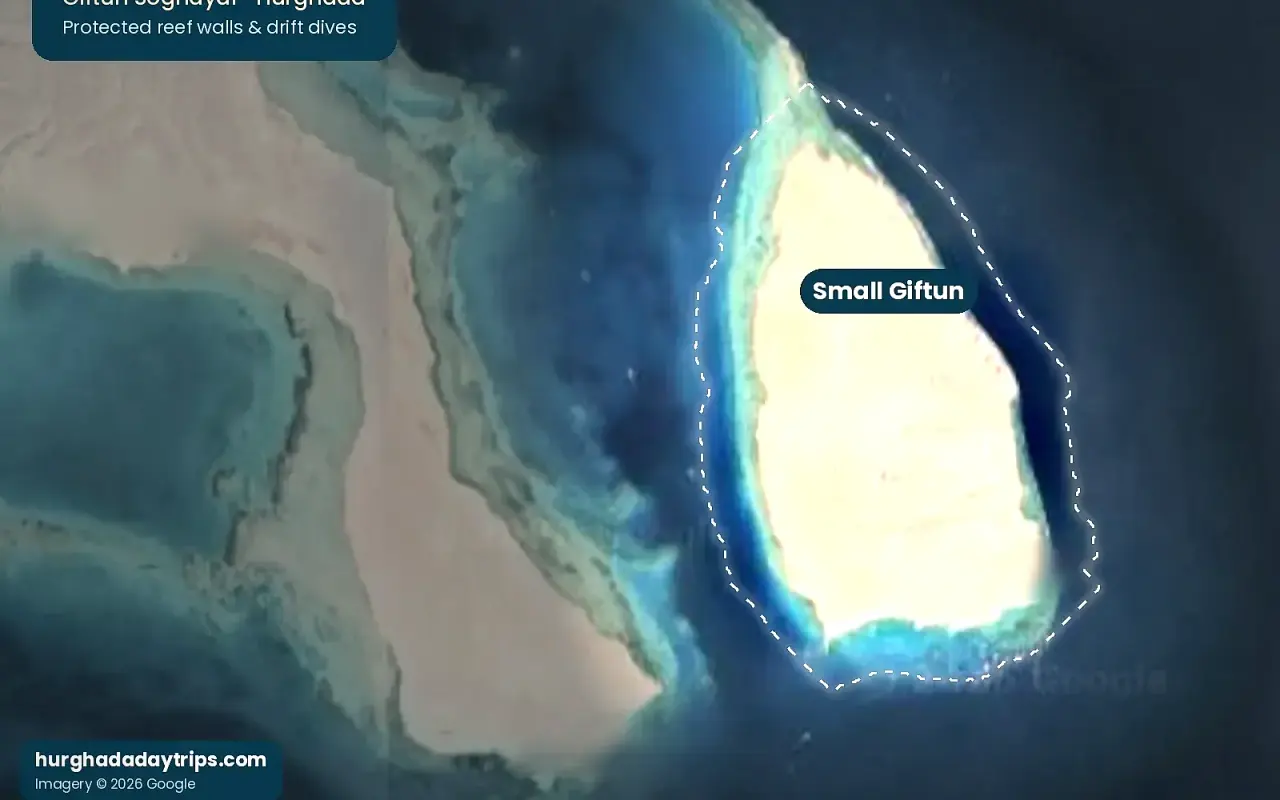
Small Giftun (Giftun Soghayar) lies south of Giftun Kebir and is ringed by reef walls on all sides that drop steeply into deep blue water. The outer edge is famous for drift dives, with soft corals, gorgonian fans and schools of fish carried by the current. Snorkelers stay along the top of the wall in calm conditions, where the light and colours are best.
Read more: our full Small Giftun (Giftun Soghayar) guide.
Ben El Gebel
Ben El Gebel, 'between the mountains', is a reef stop in the Giftun area, sheltered by the islands. The coral gardens here are shallow and colourful, which makes it a relaxed snorkel for beginners and children, with plenty of reef fish close to the surface. Boat crews like it on windy days because the water stays calmer than in the open sea.
Turtle Bay
Turtle Bay is a snorkel stop near the islands off Hurghada named after the green turtles that come to feed on the seagrass. Sightings are never guaranteed, and the best chances are in the morning, when the water is quiet. Please keep at least a few metres away, never touch or chase them, and let them come up to breathe undisturbed.
Gotta Abu Ramada (East)
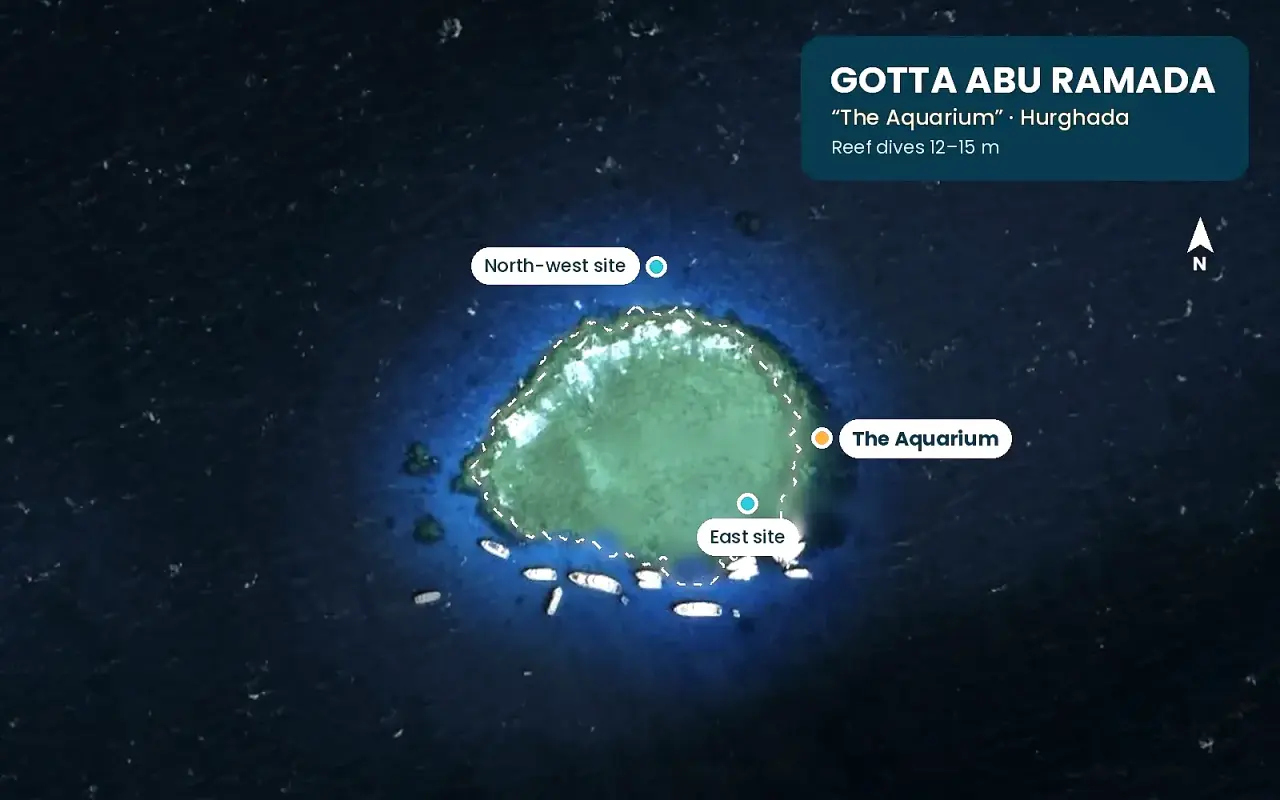
Gotta Abu Ramada, nicknamed 'The Aquarium', is a small round reef south of the Giftun islands with three main moorings: the north-west site, the Aquarium itself and the east site. Reef dives here are usually 12–15 metres deep, and the density of fish around the coral heads gives the reef its nickname. Visibility is usually excellent.
Read more: our full Gotta Abu Ramada (East) guide.
Gotta Abu Ramada (North-west)
The north-west side of Gotta Abu Ramada is similar to the Aquarium but often a little more sheltered. Banner fish, butterflyfish, anthias and parrotfish crowd around the coral heads. The moderate depth makes it a popular choice for introductory dives and snorkel stops.
Read more: our full Gotta Abu Ramada (North-west) guide.
Abu Ramada Island
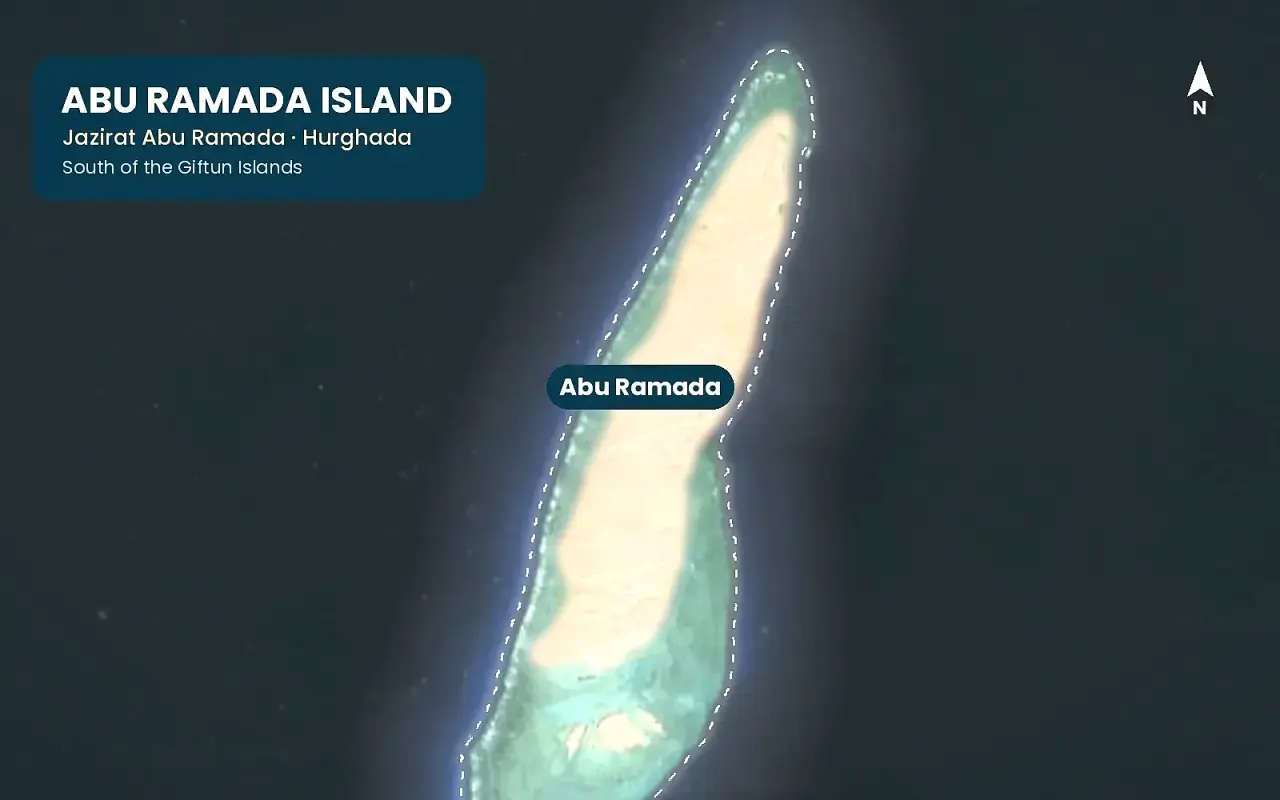
Abu Ramada Island (Jazirat Abu Ramada) is a long, narrow island south of the Giftun islands. The main snorkel and dive reef lies off its southern tip, with table corals, giant clams and many reef fish; on calm days the colours in the shallows are spectacular. It is more exposed than the Giftun bays, so captains choose it when the sea is calm.
Read more: our full Abu Ramada Island guide.
El Aruk (Erg reefs)
'Erg' or 'Aruk' is the local name for a coral pinnacle, a tower of coral rising from the sea floor. The El Aruk reefs near Giftun are a cluster of such pinnacles, each one like a small island of life. You swim from one to the next and see different fish at each. It is an easy, rewarding stop on calm days.
Shaab El Erg
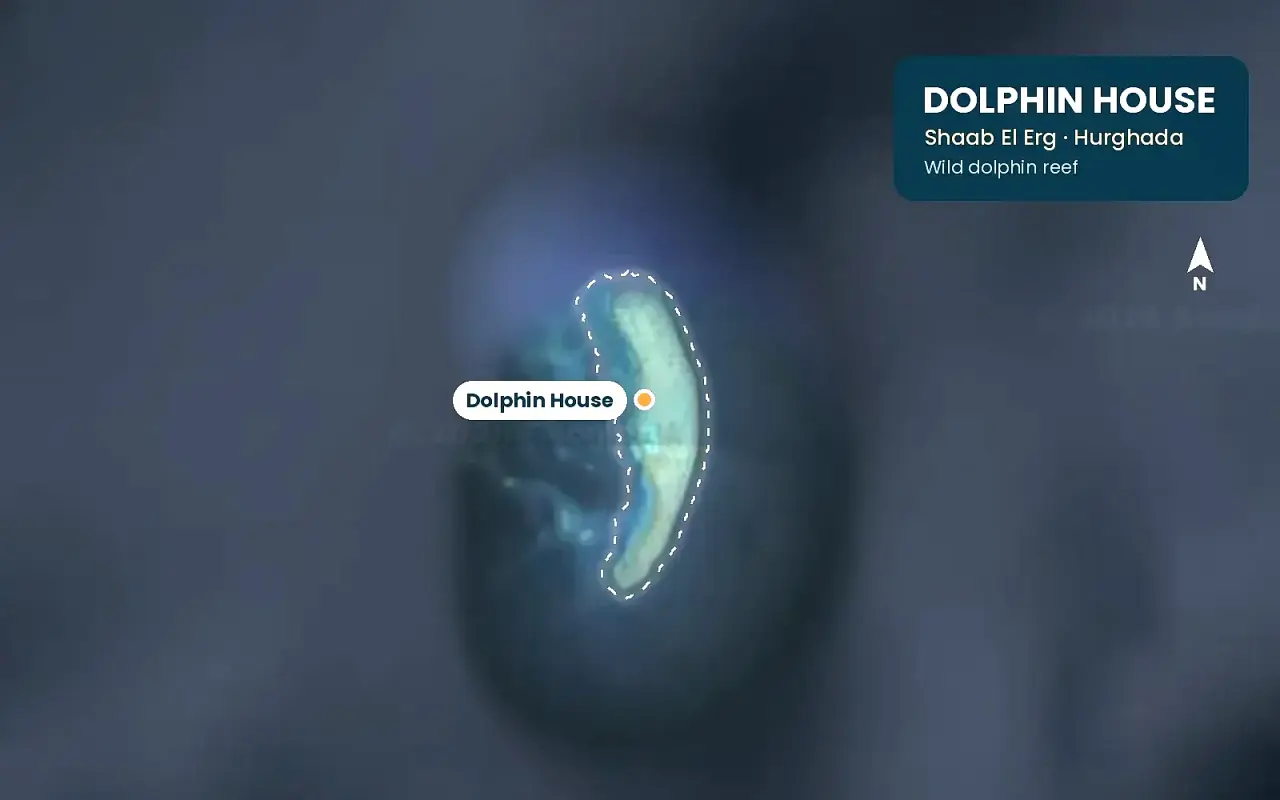
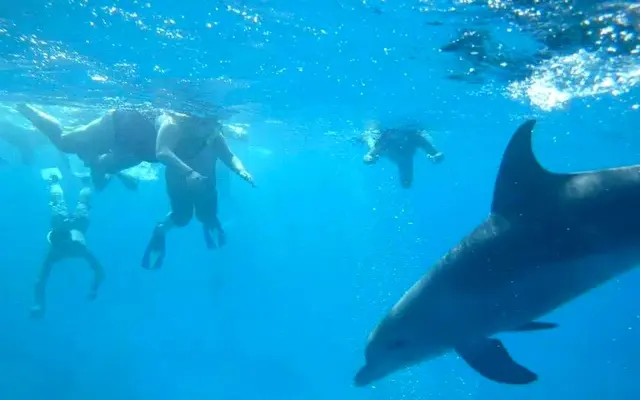
Shaab El Erg is a large reef north of Hurghada, about 1–1.5 hours by boat. Its sheltered side, known as 'Dolphin House', is where a resident group of spinner dolphins often rests, which is why boats look for them here. Around the reef there are coral pinnacles and good snorkeling even on days without dolphins.
Read more: our full Shaab El Erg guide.
Dolphin House
Dolphin House is the lagoon at Shaab El Erg where spinner dolphins often come to rest and socialise. Seeing them is likely but never guaranteed: they are wild animals. Good crews keep their distance, switch off engines and only let guests into the water calmly. Please don't chase or touch them. A respectful approach is what keeps the dolphins coming back.
Read more: our full Dolphin House guide.
Umm Gamar
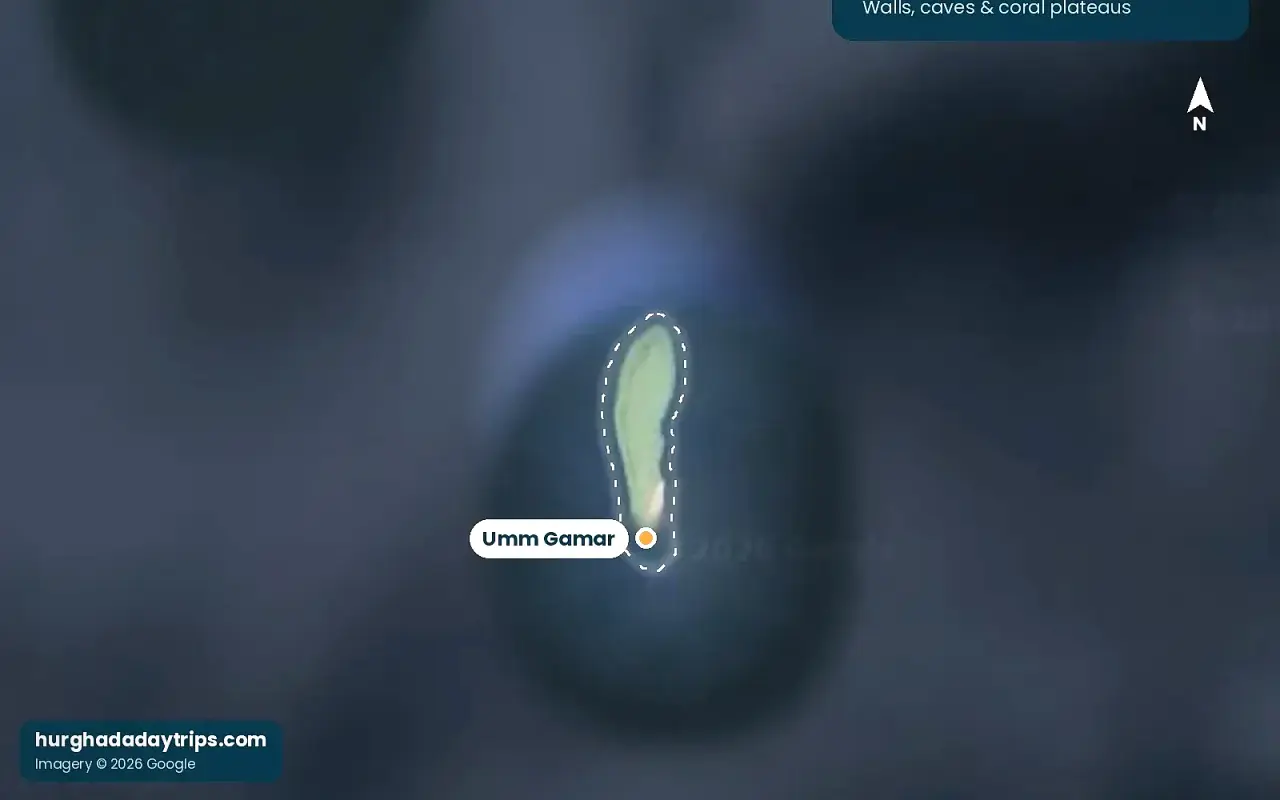
Umm Gamar (Umm Gamaar) is a narrow island north of Hurghada ringed by reef walls, caves and coral plateaus. The east side is covered with soft corals and sea fans; divers enjoy the caves and overhangs, while snorkelers follow the top of the wall where the coral is most colourful. It is often combined with Shaab El Erg on dolphin trips.
Read more: our full Umm Gamar guide.
Carless Reef
Carless Reef (often written 'Careless Reef') is known for two coral pinnacles rising from a plateau, covered with fish and home to friendly moray eels. It is better known as a dive site because the plateau is around 20 metres deep, but on calm days snorkelers can enjoy the tops of the pinnacles.
Shaab Abu Nugar
Shaab Abu Nugar is one of the largest reef systems north of Hurghada, with many coral heads scattered around a wide area. Because it is big, boats can always find a sheltered side, and the fish life is rich. Dolphins are sometimes seen in the area, but it is mostly visited for its quiet, uncrowded reefs.
El Fanous East
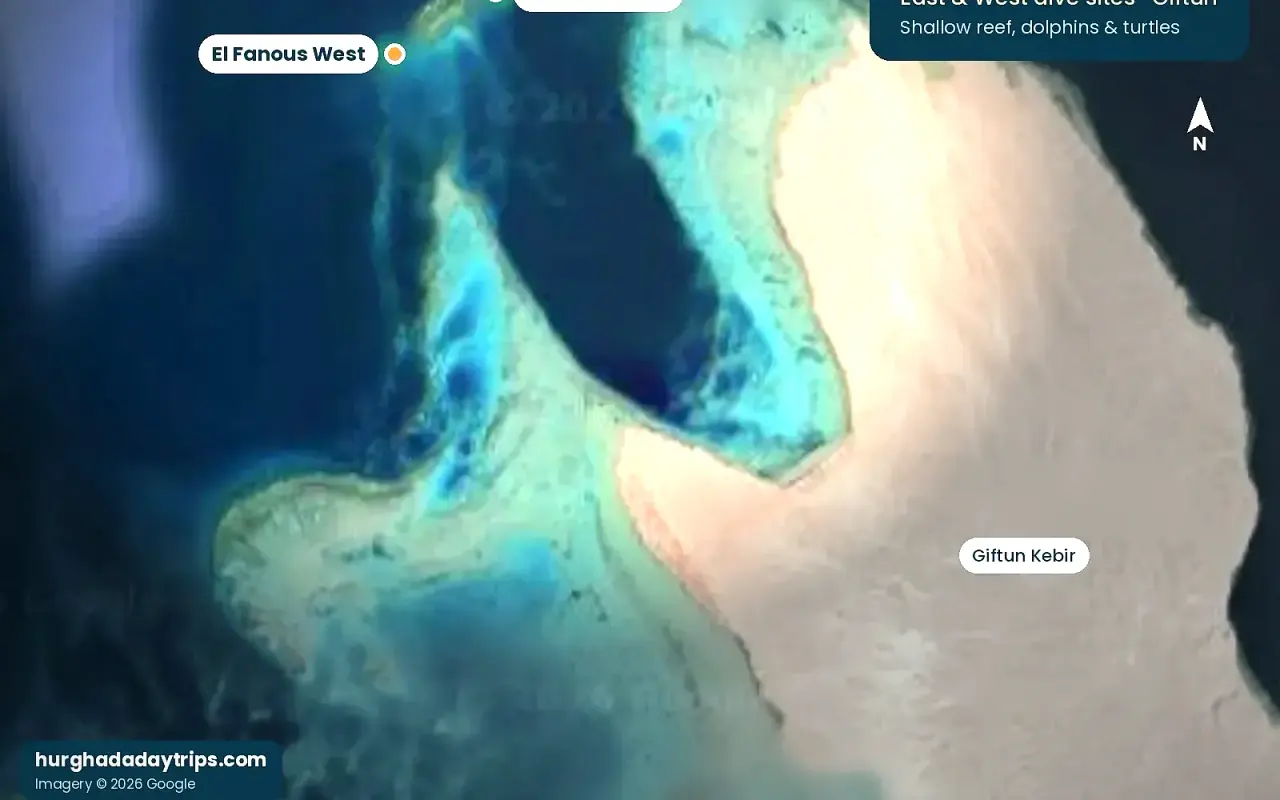
El Fanous, 'the lantern', is a pair of shallow reef sites at the northern tip of the Giftun islands. The east site has coral ridges and sandy channels with plenty of reef fish, and dolphins and turtles are seen here from time to time. Its shallow depth makes it suitable for snorkelers, introductory dives and relaxed fun dives.
Read more: our full El Fanous East guide.
El Fanous West
El Fanous West is the second site at the northern tip of Giftun Kebir, a little more sheltered than the east side. Coral blocks, sandy patches and a gentle slope make it an easy dive and a calm snorkel, and rays are often seen resting on the sand. Boats often combine both El Fanous sites with a stop on Giftun.
Read more: our full El Fanous West guide.
El Fanadir North
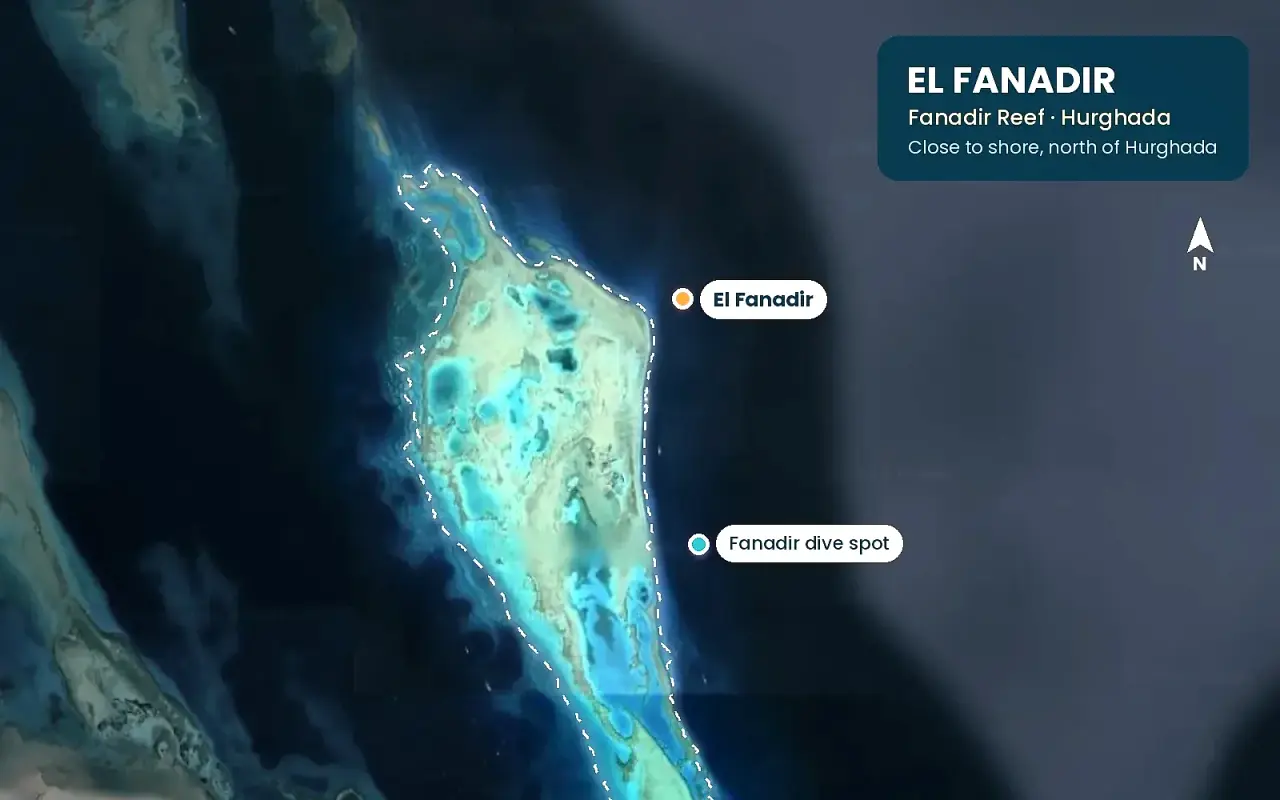
El Fanadir is a long fringing reef close to the shore just north of Hurghada, only minutes by boat from the marinas. The northern part has a sloping reef with coral formations, plenty of fish and usually good visibility, which makes it a popular site for introductory dives, check-out dives and short snorkel trips.
Read more: our full El Fanadir North guide.
El Fanadir South
The southern part of El Fanadir has a reef wall on one side and a gently sloping sandy area on the other, with coral blocks where morays, lionfish and blue-spotted rays are often seen. Calm and close to town, it is a dependable choice for beginners and for days when the open sea is rough.
Read more: our full El Fanadir South guide.
El Mina Wreck
El Mina is the wreck of an Egyptian Navy minesweeper that sank in 1969 close to Hurghada harbour. It lies on its side at around 30 metres, so it is a site for certified divers, not for snorkelers or introductory dives. The wreck is covered with coral and is a reminder of the area's military history; please treat it with respect.
Shaab Eshta
Shaab Eshta is one of the reefs used by Hurghada boats for snorkel and dive stops. Like most reefs in the area, it combines coral heads with sandy patches where you can spot rays and reef fish. Captains choose it depending on wind and sea conditions on the day.
Shaab Sabrina
Shaab Sabrina is a reef stop off Hurghada with coral gardens close to the surface, which suits snorkelers well. It is usually visited when the captain looks for a calm, shallow spot with good visibility.
Shaab Petra
Shaab Petra is a reef off Hurghada used for relaxed snorkel stops, with coral heads and a variety of reef fish. As with all reef stops, the exact spot depends on the weather and on how busy other reefs are that day.
Ras Disha
Ras Disha is a reef area visited by boats from Hurghada for snorkeling and diving. Its corals and fish life make it a pleasant alternative when the better-known sites are busy, and captains often use it as a second stop.
Magawish Island
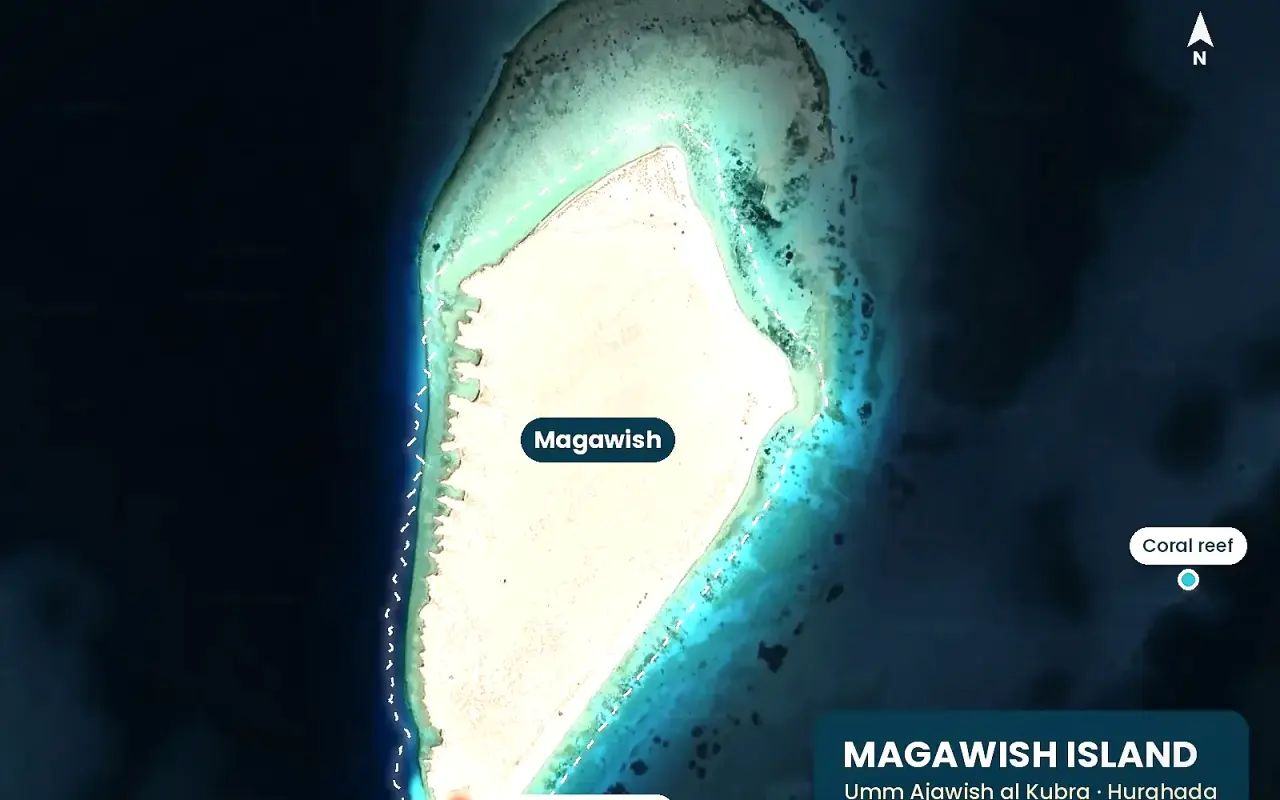
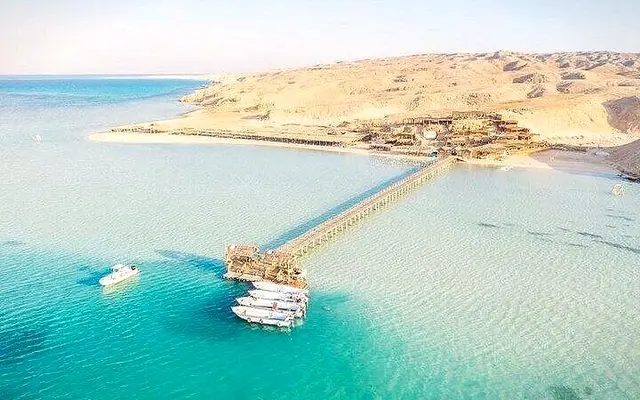
Magawish Island (Umm Ajawish al Kubra) lies north of central Hurghada. Boats land at the beach on its southern tip, where a shallow lagoon makes swimming and snorkeling easy, while the surrounding reef ring is widest on the north and east sides. On our three islands cruise it is the first stop before the boat continues to Orange Bay.
Read more: our full Magawish Island guide.
Abu Minqar (Paradise Island)
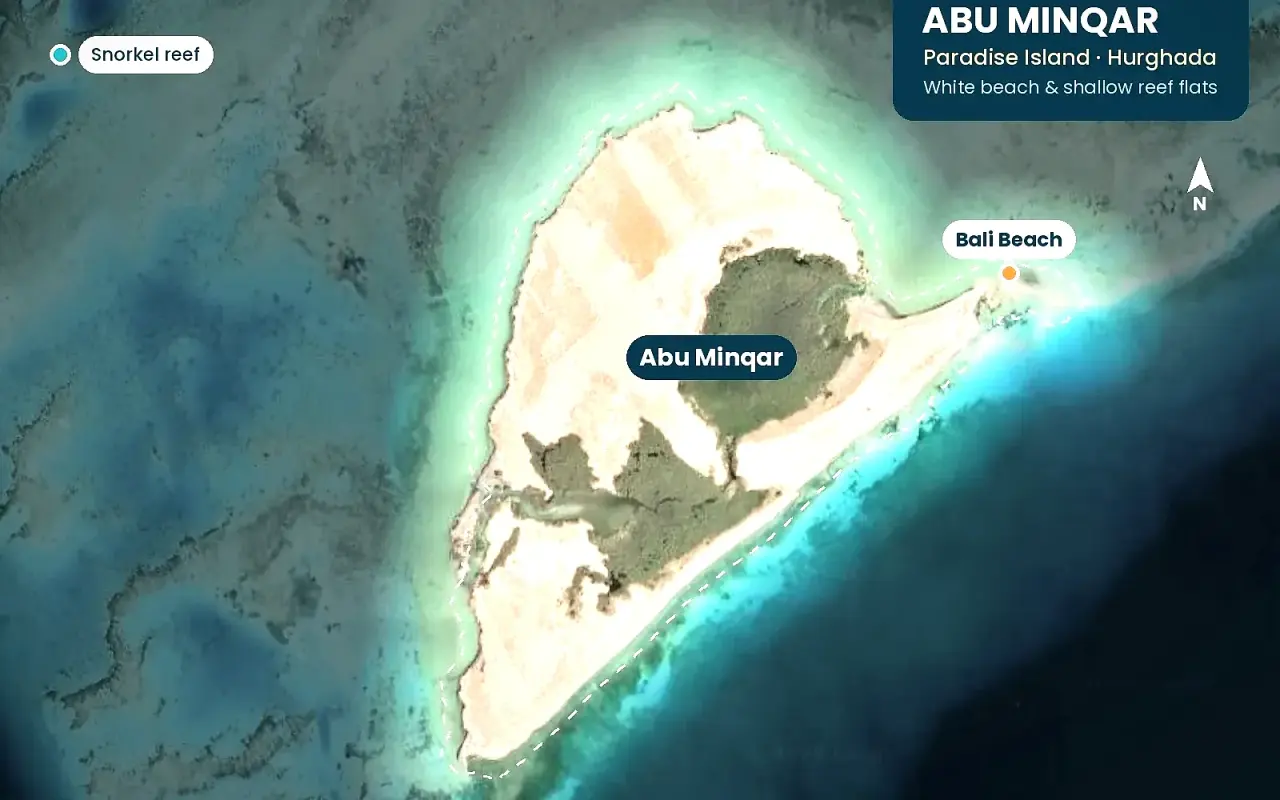
Abu Minqar is one of the islands closest to Hurghada and the island most boats sell as 'Paradise Island'. It has a white beach on its east side, known as Bali Beach, and wide, shallow reef flats all around, which makes it ideal for families, non-swimmers and relaxed beach days with easy snorkeling close to shore. Entrance fees and facilities differ between offers, so we confirm exactly what is included.
Read more: our full Abu Minqar (Paradise Island) guide.
Utopia Island
Utopia Island is a beach-island stop offered by some Hurghada boats, with a sandy beach, sunbeds and calm water for swimming and snorkeling close to shore. Like other island days, it is about relaxing rather than long boat rides.
Tobia Island (Safaga)
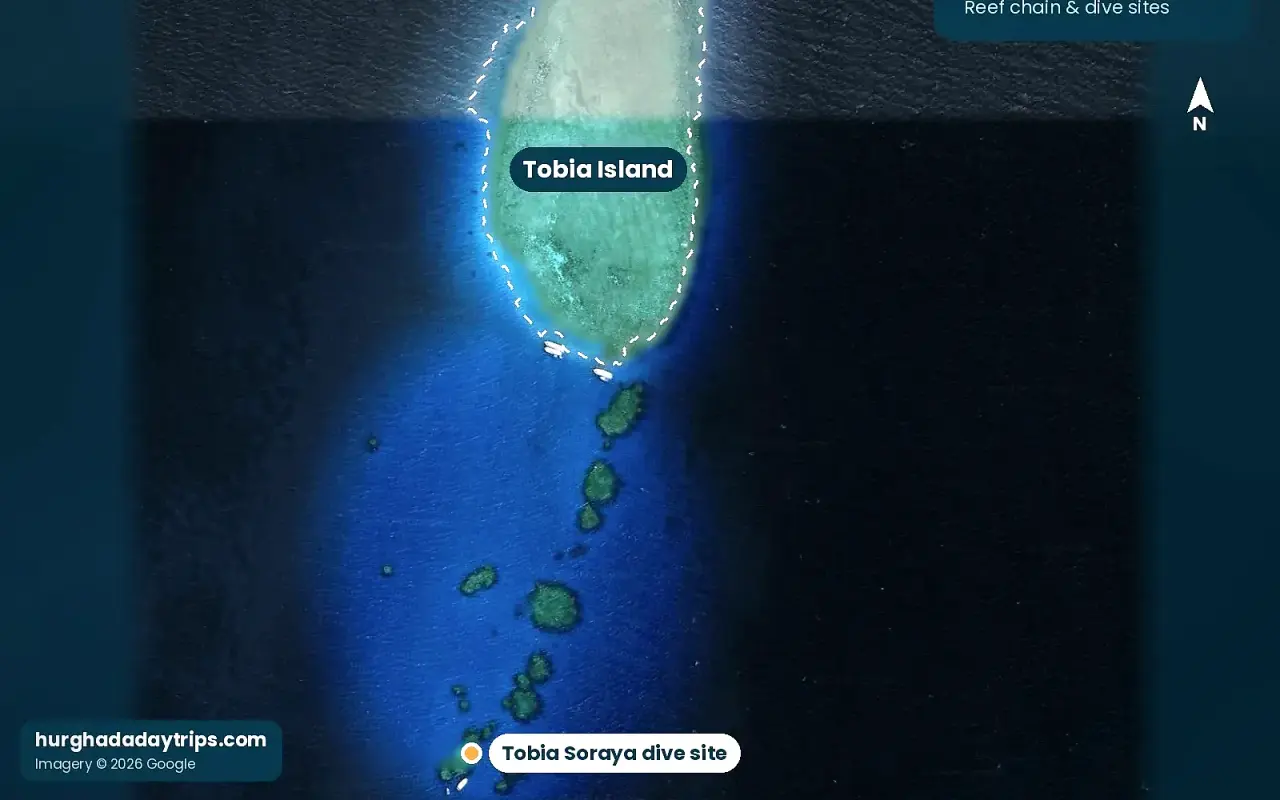
Tobia Island lies off Safaga, south of Hurghada. Small Bianca Island sits at its northern end, and to the south a line of small reefs and coral pinnacles leads to the Tobia Soraya dive site. The shallow, sheltered water around the island suits snorkelers and beginner divers, and the reef chain is a favourite of divers staying in Safaga and Soma Bay.
Read more: our full Tobia Island (Safaga) guide.
Salem Express (Safaga)
The Salem Express was a passenger ferry that sank near Safaga in December 1991 on its way back from Jeddah, with a very large loss of life. The wreck lies at about 30 metres and is visited only by certified divers. It is a memorial site: divers are asked not to enter the wreck or touch anything, and to behave with the respect owed to the victims and their families.
Frequently asked questions
Which reef near Hurghada is best for beginners?
Sheltered, shallow spots such as Ben El Gebel, El Fanadir and the Mahmya lagoon are the easiest for first-time snorkelers and children. The crew always gives life jackets and stays close.
Can I choose which reefs we visit?
On shared boat trips the captain chooses based on the weather. On a private yacht charter you can tell us your wishes, and the captain plans the route around them when conditions allow.
Are the Giftun Islands protected?
Yes. Giftun is part of a national park. A park fee applies, overnight stays are not allowed, and touching or standing on coral is forbidden.
Can snorkelers see the El Mina wreck or the Salem Express?
No. Both wrecks lie at around 30 metres and are only for certified divers. Snorkel trips visit shallow reefs instead.
- No payment to request
- Free cancellation
- Reply within hours